Climate Fiction
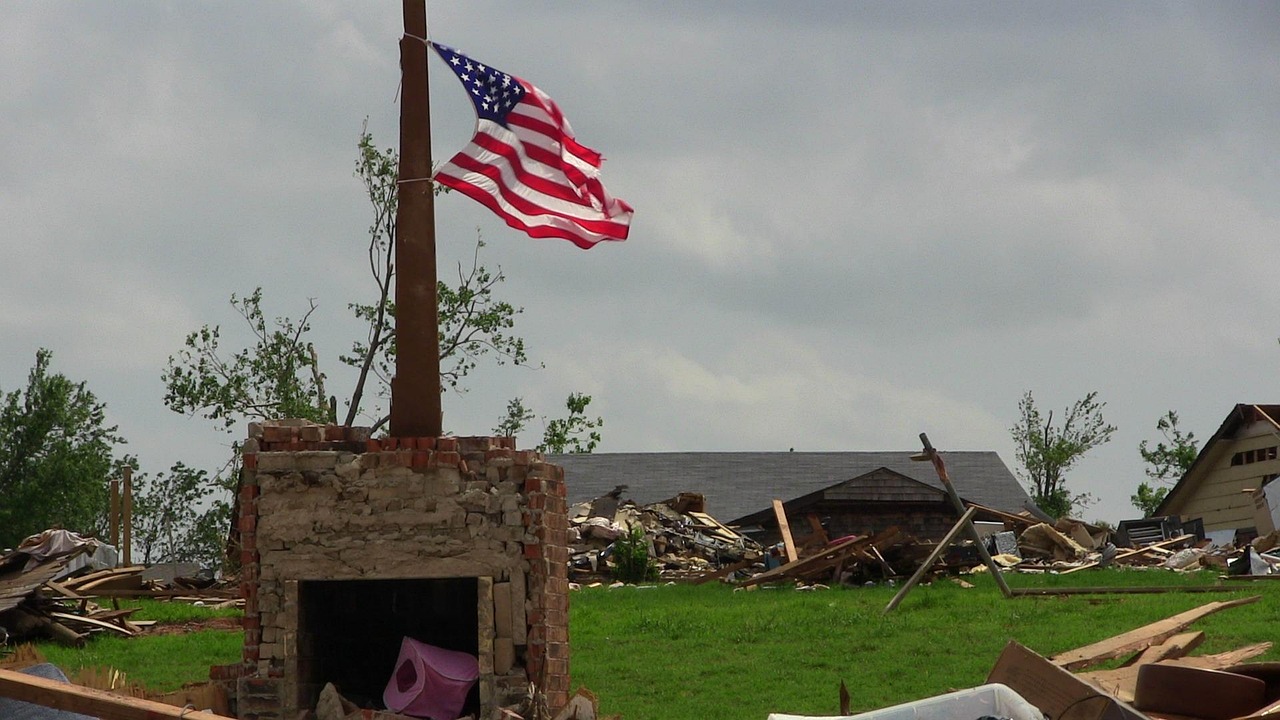
Most weather fiction is about the event itself: the hurricane, the blizzard, the flood. But some of the most moving books in this niche begin after the weather has passed. The sky clears, the water recedes, and the characters are left standing in the wreckage, asking the questions that the storm postponed. What do we rebuild? What do we leave behind? Who are we now that the wind has stopped?
These are aftermath novels, and they are having a moment. As extreme weather becomes more common in real life, readers seem drawn to stories that take recovery seriously — not just the drama of survival, but the long, unglamorous work of putting a life back together.
Aftermath fiction is full of small, concrete tasks. Clearing a road. Drying photographs. Salvaging a roof. These details matter because they are how people actually process disaster — one object at a time, one day at a time, often while arguing about something entirely unrelated. The best of these novels understand that grief and repair are not opposites. They happen together.
There is also a social dimension. Storms expose who has insurance and who doesn't, who can leave and who must stay, whose neighbourhood gets rebuilt first. Novels set after the weather has passed can be quietly political in a way that storm scenes rarely are. The wind doesn't discriminate, but the recovery often does.
And then there is the emotional weather. After a storm, people are raw. Old conflicts surface. Long-buried affections do too. The shared ordeal creates a temporary intimacy that may or may not survive the return to normal life. Watching characters navigate that is one of the great pleasures of this kind of book.
Aftermath novels are useful for the same reason they are moving. They remind us that weather is not just something that happens to us but something we respond to, together and separately. They model resilience without pretending it is easy. They show that recovery is not a return to how things were — it can't be — but the construction of something new.
Read one after a real storm, if you can, or in the shoulder season when the weather is mild and the memory of the last big event is still fresh. These books don't celebrate destruction. They celebrate what comes after: the stubborn, ordinary, human refusal to let the weather have the last word.
