Book Reviews
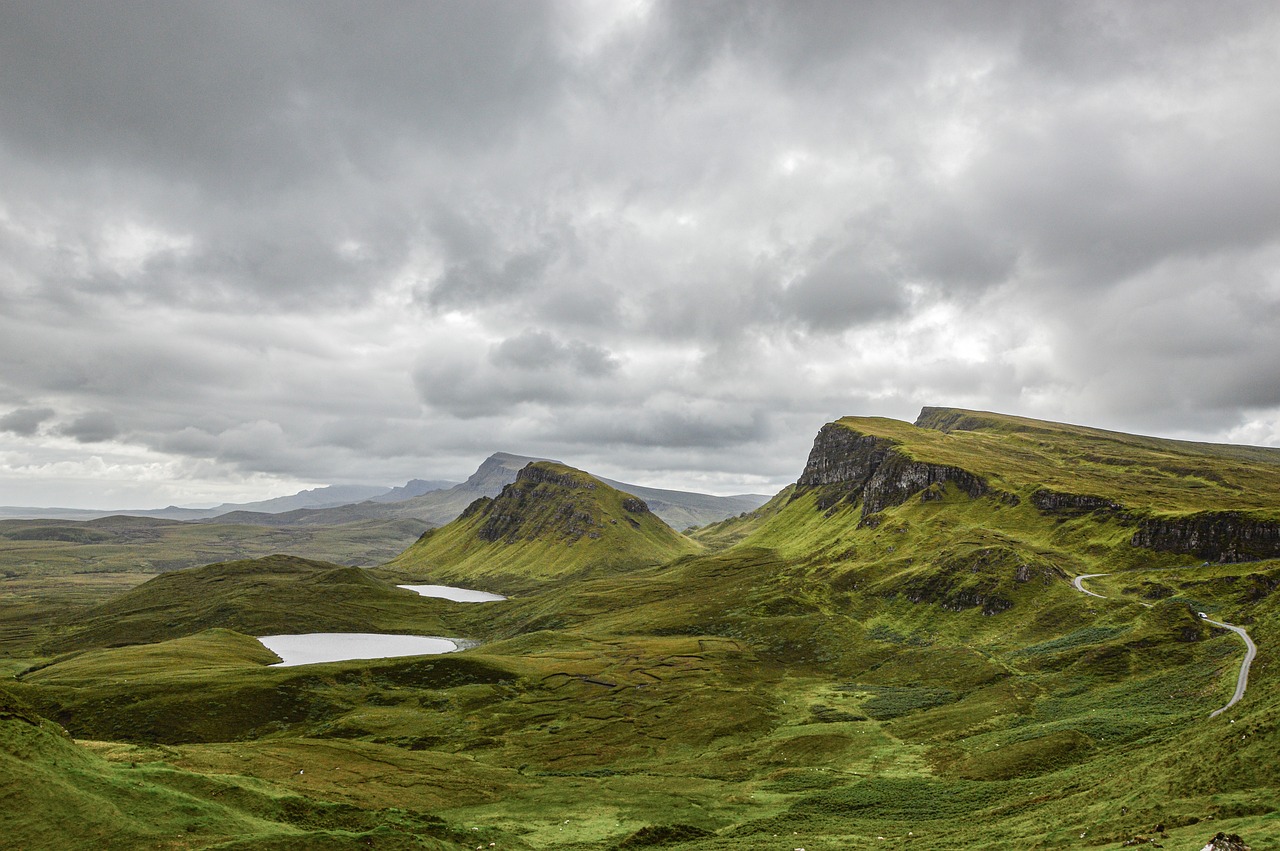
For most of literary history, weather has been furniture. It sets a mood, foreshadows a plot point, or gives characters something to talk about when they cannot say what they mean. Then climate change arrived, and writers began to suspect that weather might be more than a backdrop. It might be a protagonist. Or an antagonist. Or a god with a temper. The result is a body of fiction that treats the sky as an actor, not a prop.
You can see the shift clearly in Kim Stanley Robinson's The Ministry for the Future, which opens with a heat wave so lethal it becomes a political event. The weather does not merely set the scene; it drives the plot, forces institutions into crisis, and demands a response. Robinson is not interested in climate as metaphor. He is interested in it as a physical fact that human beings must organize around.
Other writers take a more intimate approach. In Weather by Jenny Offill, climate anxiety becomes the texture of daily life. The narrator works at a university library, answers letters for a podcast about the end of the world, and tries to hold her family together while the future grows uncertain. Offill does not describe hurricanes; she describes the way the possibility of hurricanes changes how a person thinks. It is climate fiction at the scale of a single consciousness, and it is quietly devastating.
Then there is Migrations by Charlotte McConaghy, in which a woman follows the last Arctic terns on their final migration. The weather here is not just storms and heat; it is the entire system that animals depend on, and its unraveling is the novel's engine. McConaghy writes grief for a world that is still here but changing, which may be the defining emotion of our era.
Not all weather-as-character fiction is about disaster. Piranesi by Susanna Clarke takes place in an infinite house where tides and clouds move through vast halls. The weather is strange, beautiful, and central to the mystery. It reminds us that even before climate change, writers knew weather could be uncanny, a system with rules we only partly understand.
Reading climate fiction changes the way you read weather everywhere else. Suddenly the fog in a Victorian novel feels less decorative. The drought in a western feels less incidental. You start to notice that weather is never neutral in fiction, because it is never neutral in life. It shapes what is possible, what is dangerous, and what can be hoped for.
That is why this niche matters. Climate fiction is not a genre so much as a correction, a way of putting the planet back into stories that had quietly written it out. The next time a storm rolls in, try reading one of these books while it passes. You may find that the weather outside and the weather on the page are having a conversation, and that you are sitting right in the middle of it, listening.
