Seasonal Reading Guides
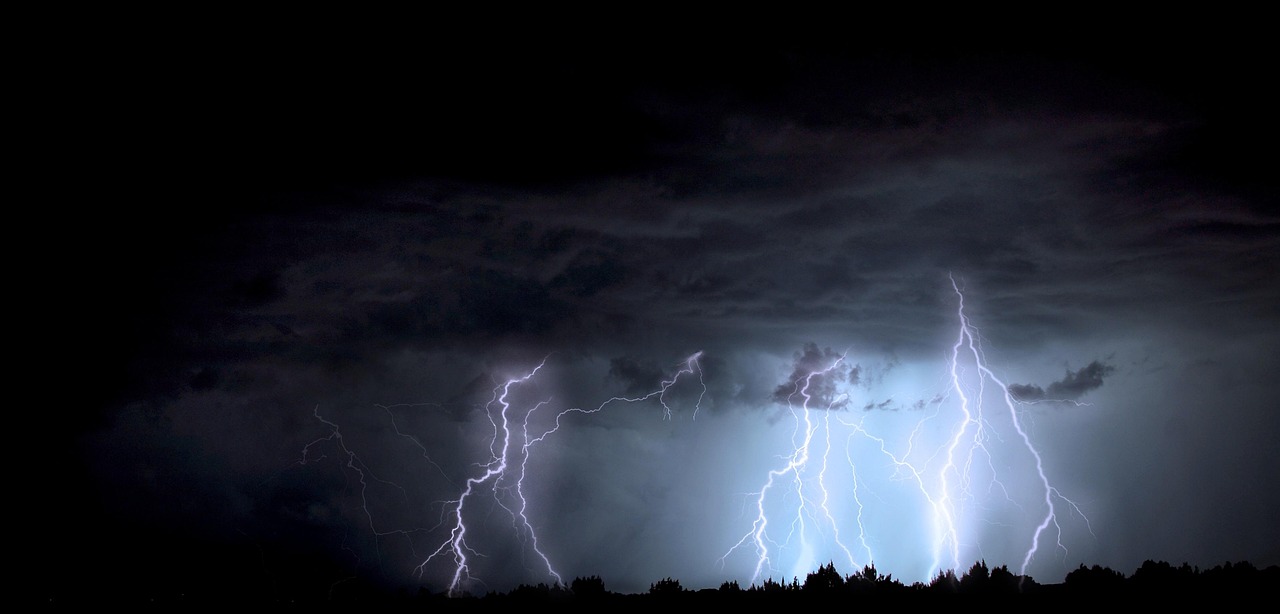
Monsoon season has its own grammar. Days don't begin and end so much as they arrive in waves — a heavy grey morning, a bright break around noon, then the rain again by evening, drumming on tin roofs and turning streets into shallow rivers. Reading during monsoon feels different from reading during any other season. The rain outside becomes a metronome for the pages inside, and certain books simply sound better with that backdrop.
What makes a monsoon book? It isn't just that it rains in the story. The best monsoon fiction uses rain the way the season itself does — as something that rearranges daily life, forces people indoors and into their own thoughts, and blurs the line between comfort and claustrophobia. Rain in these novels is rarely just weather. It's a delay, a reunion, a reckoning.
Start with a classic of monsoon atmosphere: any novel where a single afternoon of rain stretches into an entire emotional landscape. Look for writers who understand that rain changes social rules — who visits whom, who stays, who leaves. In monsoon fiction, characters often find themselves trapped together in a verandah or a railway waiting room, and the enforced closeness does what months of ordinary life could not.
For readers who like their seasons literary, there is a whole tradition of writing about rain in South Asia, Southeast Asia, and West Africa, where the monsoon or the rainy season structures the year. These books tend to be sensory and slow, full of wet leaves, cardamom tea, damp letters, and the particular smell of the first rain on dry earth. Reading them in a dry climate is its own kind of longing; reading them during actual rain is almost too immersive.
If you want something lighter, there are rainy-season romances and rainy-season mysteries, books where the weather provides the excuse for a plot to stay put and simmer. A storm that knocks out the power, a flooded road, a cancelled train — these are not obstacles in such stories so much as engines. The rain creates the room the story needs.
Monsoon reading rewards a little ceremony. Keep a book near a window that faces the weather. Make something hot and slightly too sweet. Resist the urge to check your phone every time the rain intensifies — the point is to let the sound of it become part of your reading, not a distraction from it. Some readers even keep a monsoon journal, noting which books they finished during which storms, so that years later a particular downpour can bring back a particular chapter.
There's a practical side, too. Monsoon is a season of delays, and delays are reading time. The cancelled picnic, the rained-out commute, the evening when no one wants to go out — each is a small gift to the reader. Keep a stack ready and let the weather choose for you. A thin book of poetry for a drizzle, a thick family saga for three days of steady rain.
Above all, resist the idea that rainy days are wasted days. Monsoon reading is not about escaping the weather but entering it more fully. The right book doesn't compete with the rain. It keeps time with it.
