Weather as Character
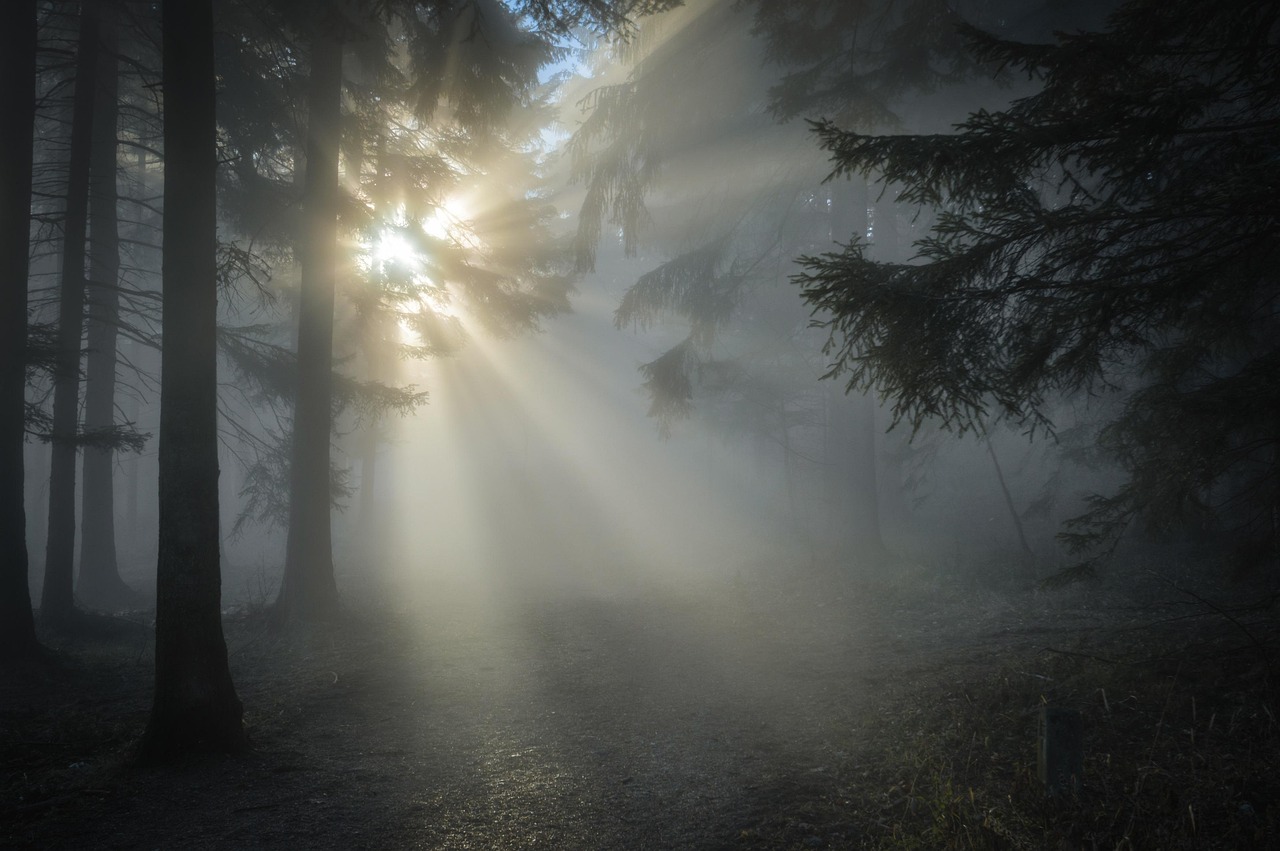
Fog is the most literary weather. It hides things, softens edges, turns familiar streets into suggestions. Writers have always loved it because it does for a scene what good prose does for a story: it reveals by concealing. And readers love it because foggy books feel like the grey months themselves — uncertain, hushed, full of things half-seen.
Some seasons seem designed for a particular kind of reading. Summer wants something propulsive, winter wants something long and interior, and the foggy months — late autumn, early spring, any stretch of days when the horizon disappears — want something atmospheric and slightly unresolved. Not necessarily a mystery, though fog and mystery are natural allies. Just a book willing to leave a few shapes in the mist.
Foggy fiction works on the reader the way fog works on a driver: it slows you down and makes you pay attention. Details matter more when you can't see the whole picture. A lit window, a figure on a bridge, a sound of oars — these small signals carry enormous weight. Authors who write fog well understand that atmosphere is not decoration. It is point of view.
This is why so much gothic and ghost fiction happens in mist. The weather provides a plausible explanation for everything strange, and then withdraws it. Was that a person or a post? A voice or the wind? Fog keeps both answers alive, and the best books refuse to choose too quickly.
But fog isn't only for the eerie. There are gentle foggy books too — stories of coastal towns, harbour mornings, walks where the world is reduced to the few metres around you. These books are less about fear than about intimacy. When you can't see far, you notice what's close.
Foggy reading rewards the same conditions that produce fog: early mornings, quiet rooms, a lack of hurry. Don't fight the mood with bright lights and loud music. Let the day be dim. Let the book be slow. If you can read near a window with nothing much to see, so much the better.
And if you finish a foggy book and feel you haven't quite understood it — that's not failure. That's the weather working as intended. Some books, like some mornings, are meant to be walked through rather than solved.
