Weather as Character
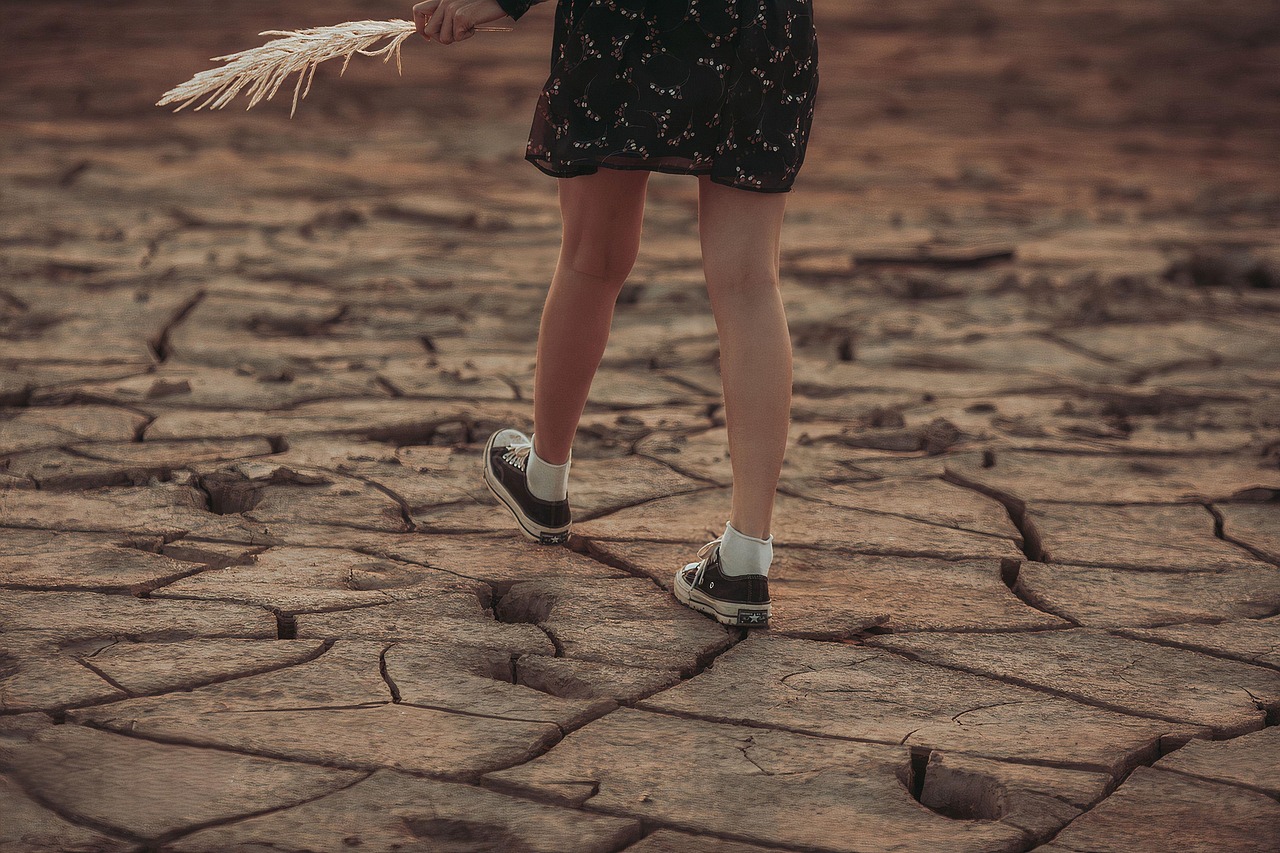
Drought is the quietest disaster. There is no dramatic storm, no sudden flood — just day after day of the same hard sky, the same shrinking water, the same fields turning the colour of old paper. And yet some of the most powerful fiction of the past century has come out of dry seasons and dry places, because drought forces characters to confront what they actually value when the land stops giving.
Drought novels tend to be patient books. They move at the pace of a season that refuses to break. But patience is not boredom. In the best of them, the slow drying of the world creates a pressure that builds page by page, until small decisions — who gets water, who leaves, who stays and lies about it — carry the weight of life and death.
First, it raises the stakes of the ordinary. A well, a tank, a single cloud on the horizon: these become objects of obsession. Second, it exposes social fault lines. Drought is never shared equally. Those with money drill deeper; those without wait in lines. Fiction set in drought years often becomes a study of power disguised as a study of weather.
Third, drought creates a particular kind of time. Unlike a storm, which arrives and passes, drought simply continues. Characters in these novels are always waiting — for rain, for relief, for an excuse to leave. That waiting gives the books their strange, suspended quality, like a held breath that lasts for chapters.
There is also a rich tradition of drought fiction set in rural communities, where the weather is not a backdrop to the plot but its entire economy. These books can be bleak, but they are rarely hopeless. Even in the driest stories, people find ways to be generous, to share what little there is, to keep some small green thing alive on a windowsill.
Reading these books in a wet climate can feel almost voyeuristic, but it is also instructive. Drought fiction is climate fiction in its most grounded form — not speculative futures but remembered presents, places where the water already ran out. If you want to understand how climate change actually feels, not in headlines but in daily life, this is the shelf to visit.
Pair a drought novel with a glass of water and a walk somewhere green, if you can. The contrast is the point. These books do not ask you to enjoy the heat. They ask you to notice what it costs, and who pays.
